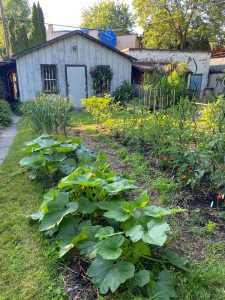
We are tantalizingly close to spring and veggie gardeners have been deep in planning mode. Seed catalogues have been poured over, seeds have been delivered, seedlings are being started and dreams of beautiful, productive gardens are filling the gardening zeitgeist.
Creating an annual garden plan involves a variety of considerations. Assessing your site for sun or shade, pondering what you like to eat or routinely cook with, and reviewing what you grew in previous years to insure you are rotating your crops to stay one step ahead of pests and diseases. Another factor to consider is companion planting.
Plants, like people, thrive in communities that share common traits, preferences and requirements. The idea of companion planting has become more common. For instance, many home gardeners have learned from Indigenous growers about the Three Sisters – a method of planting corn, beans and squash together to help the other thrive. Corn provides a strong stalk to support the growth of climbing beans that in turn harness atmospheric nitrogen to feed its companions, while large squash leaves provide shade to cool the soil, which helps retain moisture and prevents weed seeds from getting established. It’s an ancient trio of collaboration that has successfully fed communities for thousands of years.
Another time-tested collaboration is the relationship between edible crops and native perennials. More and more regenerative farmers and vegetable growers are seeing the huge benefits of companion planting. By interspersing native flowers with vegetable crops, growers are able to increase pollination and crop production by attracting hungry insects and other beneficial insects that help control damage from destructive bugs.
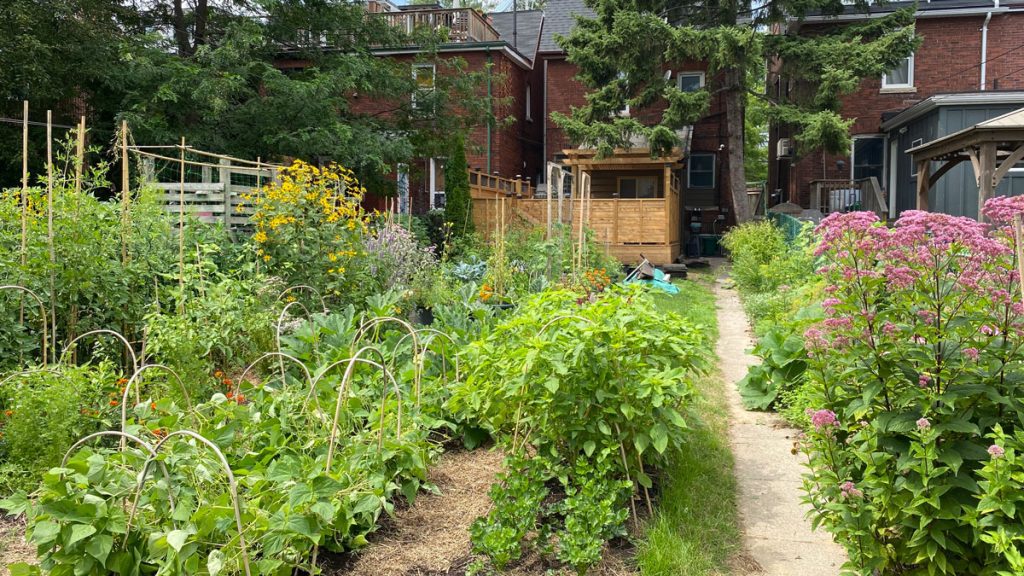
Home gardeners can reap all these benefits and create beautiful, lush gardens that increase local biodiversity. Figuring out what grows best with what can be approached scientifically, instinctively, or with good old trial and error.
Companions are often bound by common environmental conditions, so we can start by identifying our ecosystem. If you don’t already know, learn your hardiness zone. Then consider, is your garden in full sun, like a meadow, part shade like a woodland, or deep shade like a forest? Is the soil wet like bog or a rivers edge or dry like a high outcropping?
When you understand your ecosystem better, you can start to narrow down which plants will thrive there. Keep it simple, there are so many options it is easy to get overwhelmed. Choose one or two plants that will bloom in each season. Keep in mind what layer of the landscape they will occupy. Again, keep it simple. Tall, (Structure) medium (Seasonal) short (ground cover). In container-garden-speak, think thrill (tall), fill (medium) and spill (low). Then you can consider colour and texture. Remember, the overall goal is to attract native pollinators, so choose plants that are hosts for multiple species.
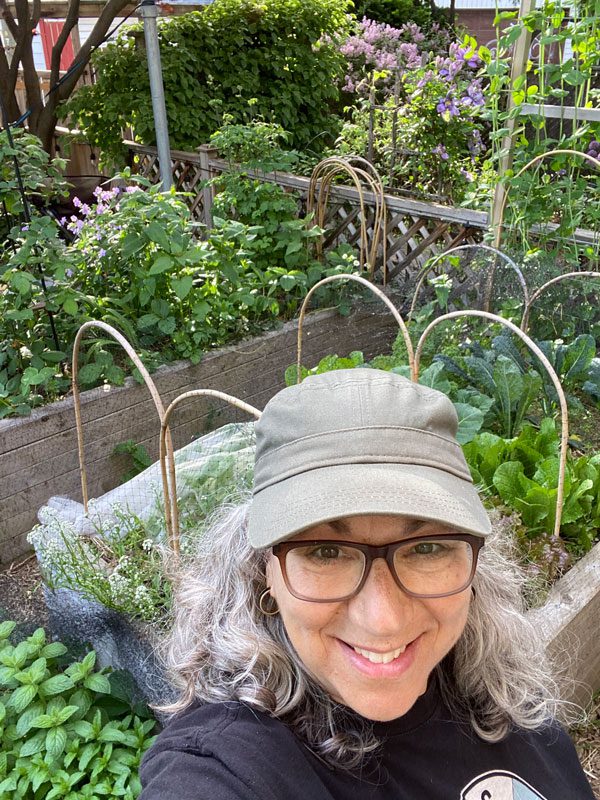
Our backyard garden is a lot like a woodland, shaded by mature trees, leaving just enough full sun for us to grow lots of happy, leafy greens. Peas do well, as do cucumbers, surprisingly, and our thornless blackberries are awesome! Since giving up on tomatoes in that too-shady location, we’ve transformed a second raised garden bed into a little native, pollinator garden that supports the veggies beside it, and brings beautiful texture, colours, scents, and fascinating insect and bird activity to our little space.
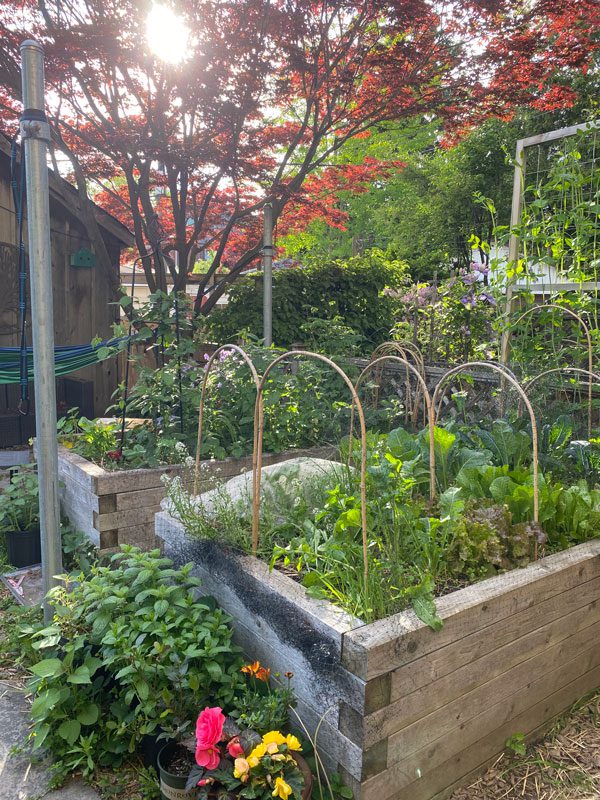
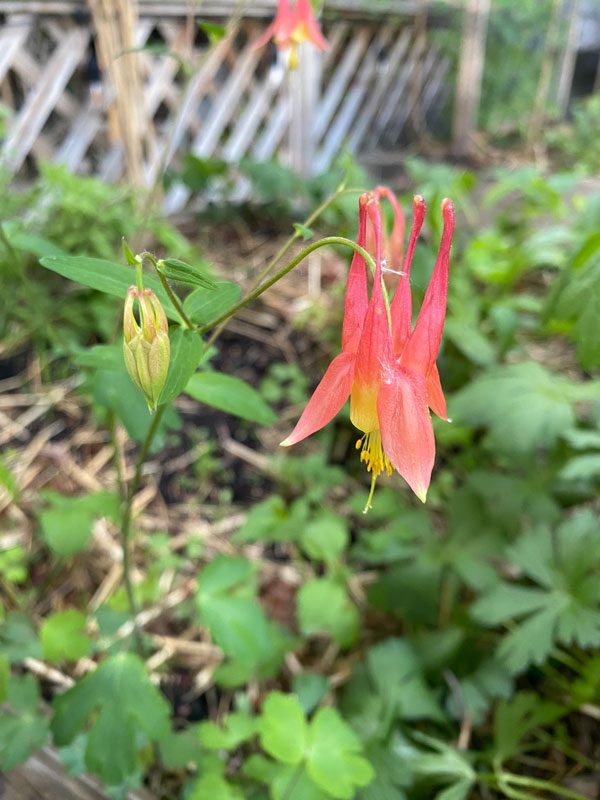
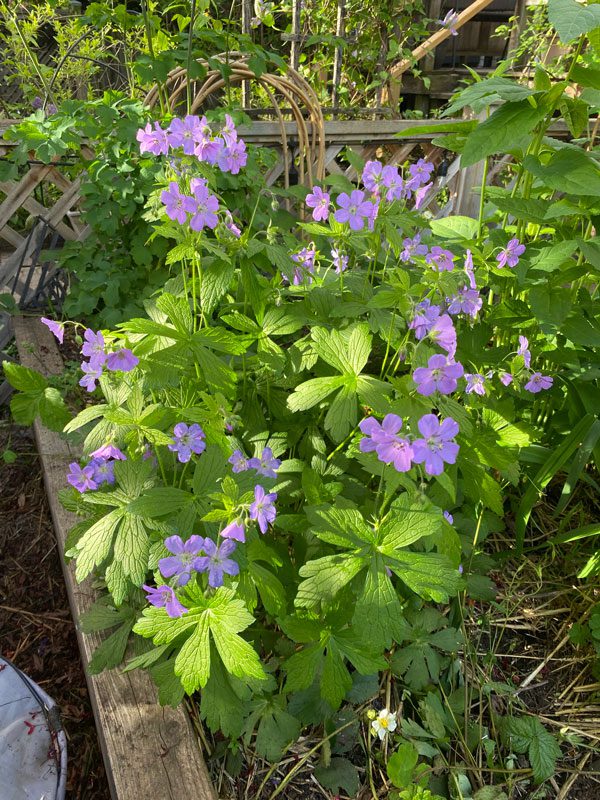
Other native species that do well in a shady garden are Anise hyssop, Agastache Foeniculum; Wild Indigo, Baptisia australis; Meadow rue, Thalictrum dasycarpum; and False Sunflower, Heliopsis helianthoides. Annual alyssum is also a great companion to lettuce. The tiny, fragrant flowers attract parasitic wasps which help combat aphids on kale and collards which themselves are shade-tolerant edibles.
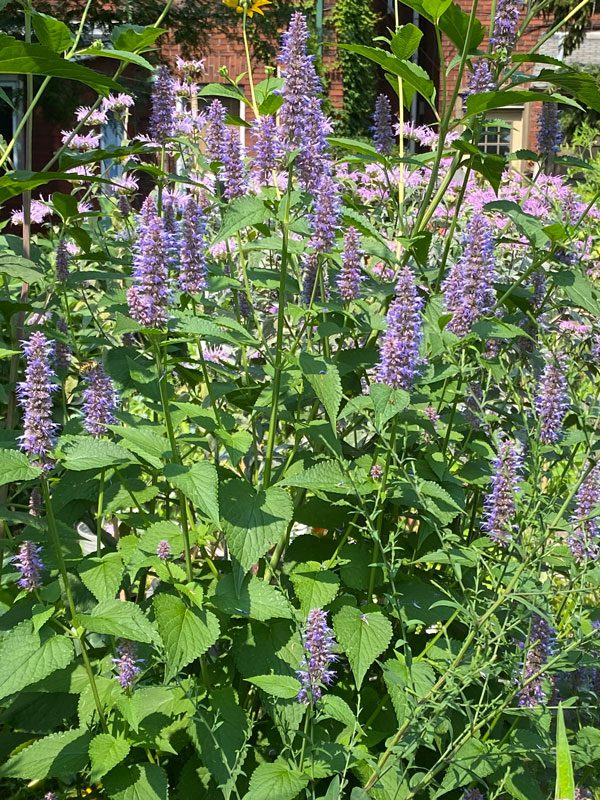
Agastache Foeniculum
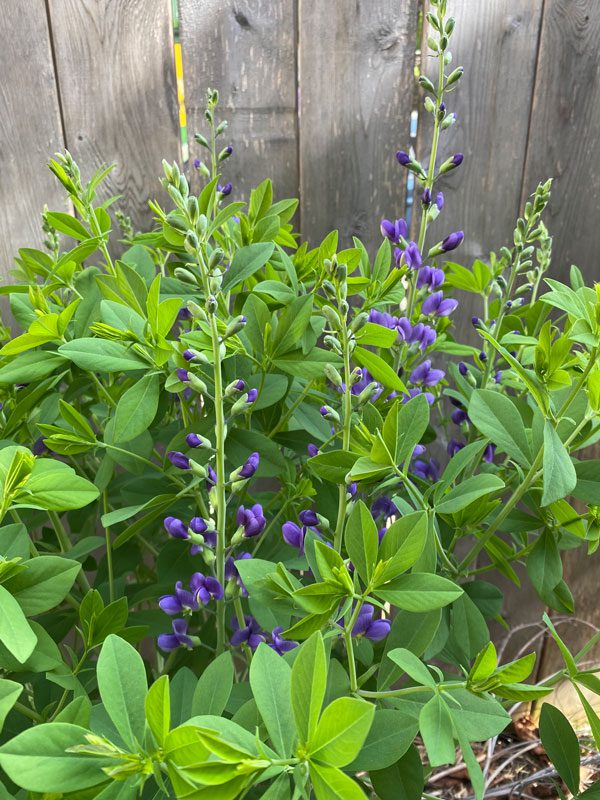
Baptisia australis
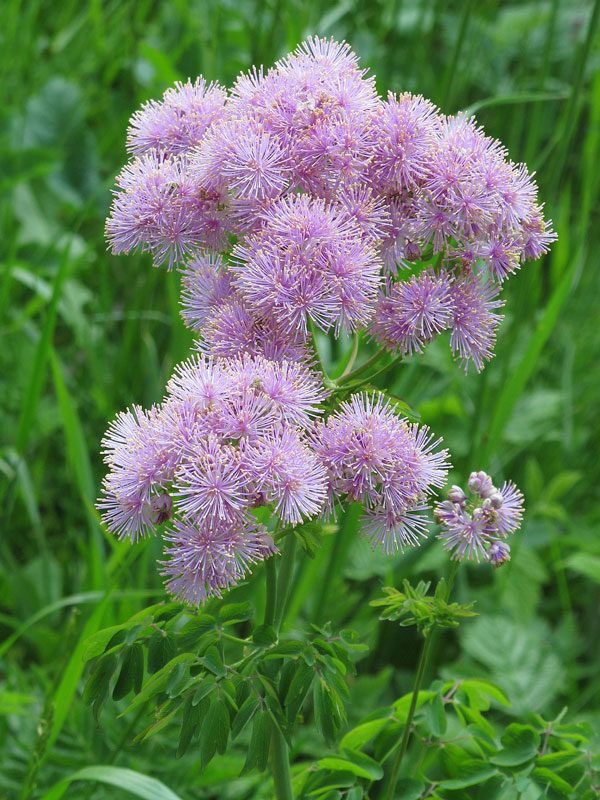
Thalictrum dasycarpum
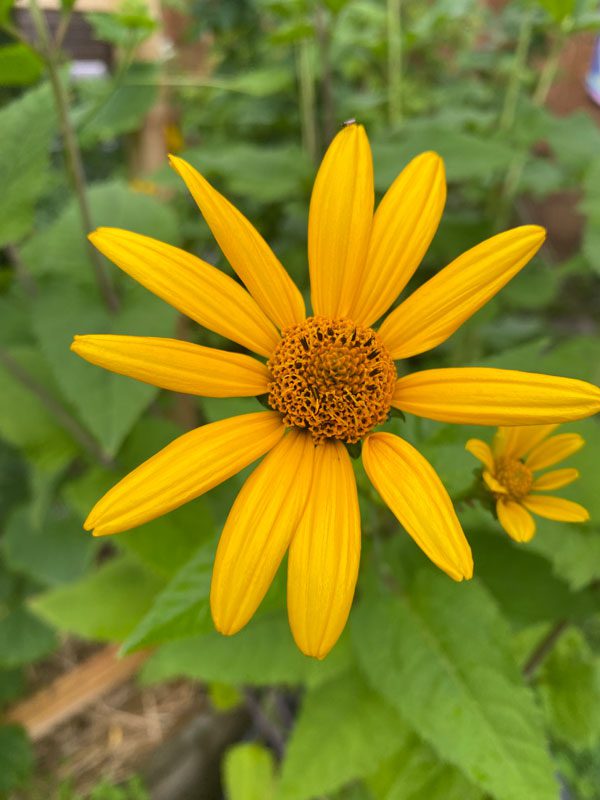
Heliopsis helianthoides
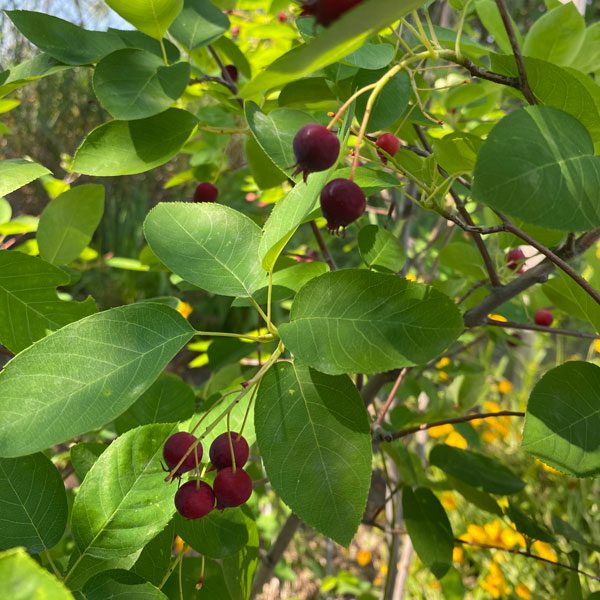
If there were more space I would add a Serviceberry Tree. The flowers provide pollen, a great protein and nectar source for a variety of different bees, butterflies, hoverflies, beetles, and the resulting fruit provides food for humans, birds, and squirrels.
We are so fortunate to have wonderful neighbours who share their garden spaces with us. Marie, who used to host BUFCO and our first greenhouse, and continues to share her yard with us, has a full sun garden. So that is the best place to grow our tomatoes, peppers, asparagus and all the sun loving native flowers I can cram in there!
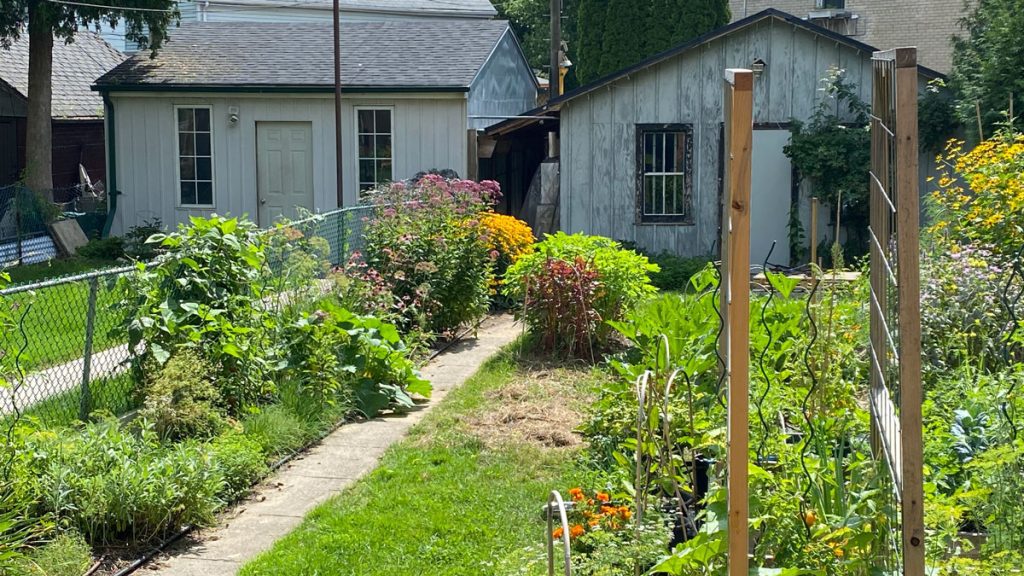
Favourite full sun pollinator plant varieties are Joe Pye Weed (Eutrochium purpureum), Large leaf Aster (Eurybia macrophylla), Smooth Aster(Symphyotrichum laeve), Black Eyed Susan (Rudbeckia hirta), Obedient (Physostegia virginiana), Wild Bergamot or Bee Balm (Monarda fistulosa) Purple cone flower (Echinacea purpurea), Swamp Milkweed (Asclepias incarnate). Chives, sage, thyme and oregano also flower in their second year, bringing a host of pollinators to the party.
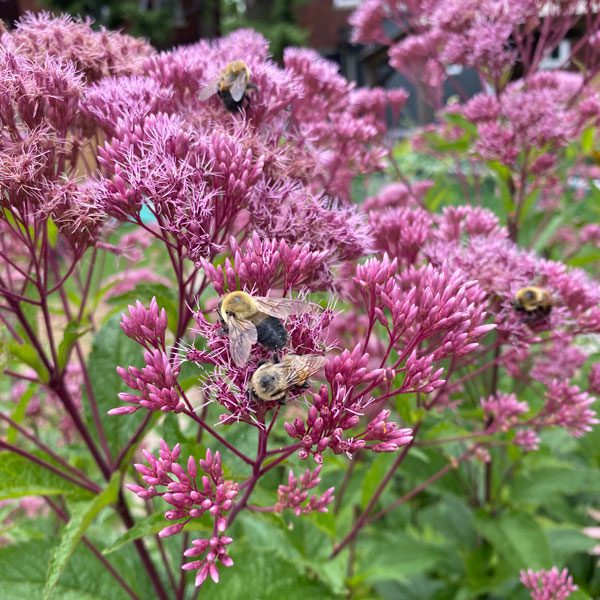
Eutrochium purpureum
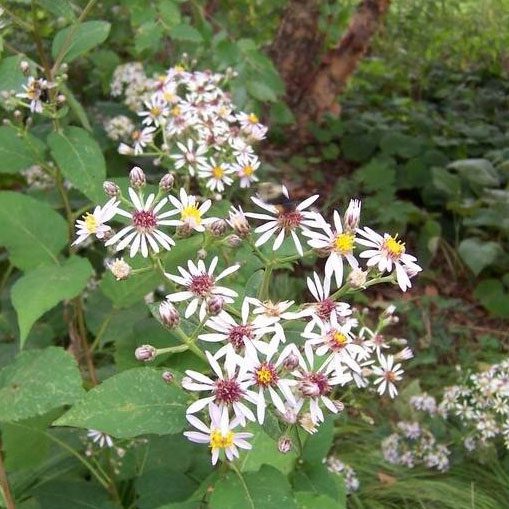
Eurybia macrophylla
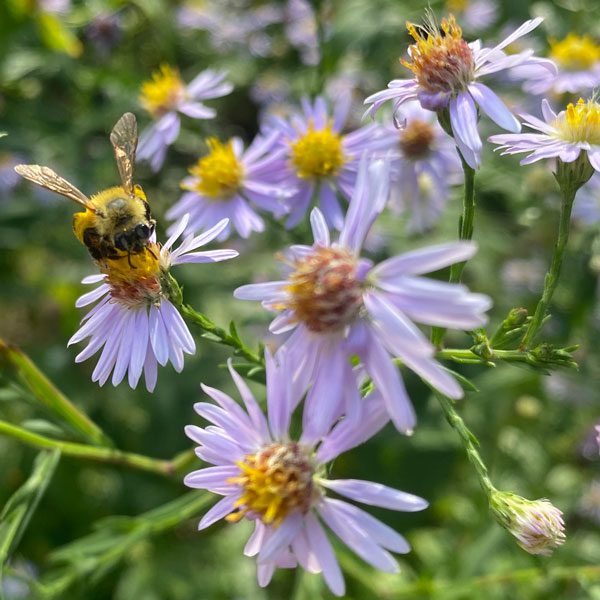
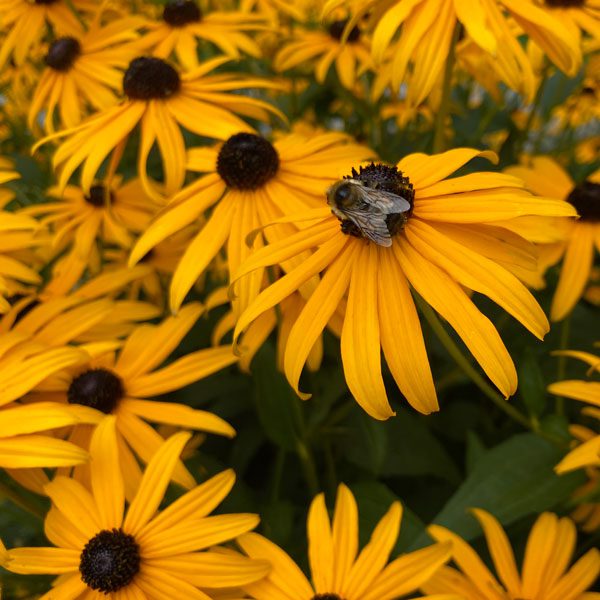
Rudbeckia hirta
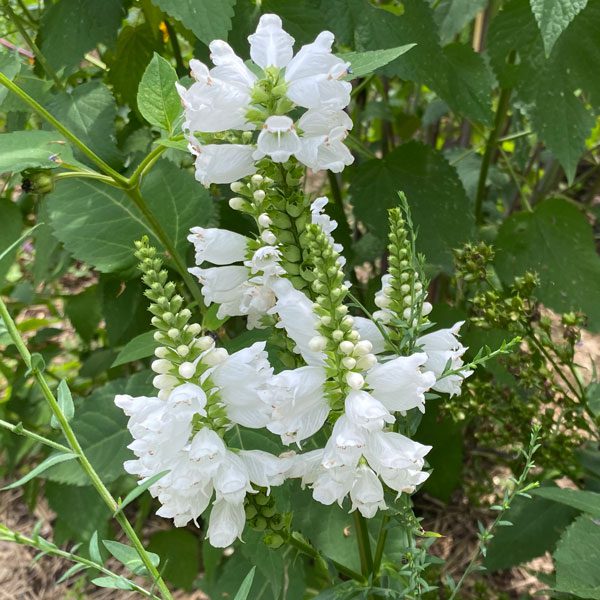
Physostegia virginiana
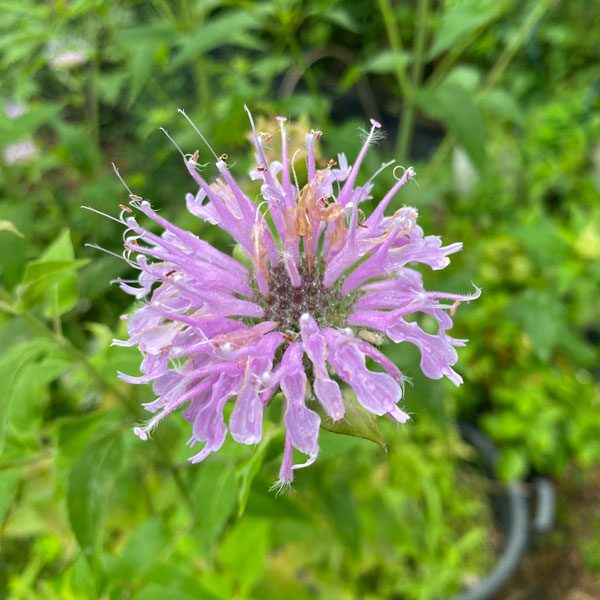
Monarda fistulosa
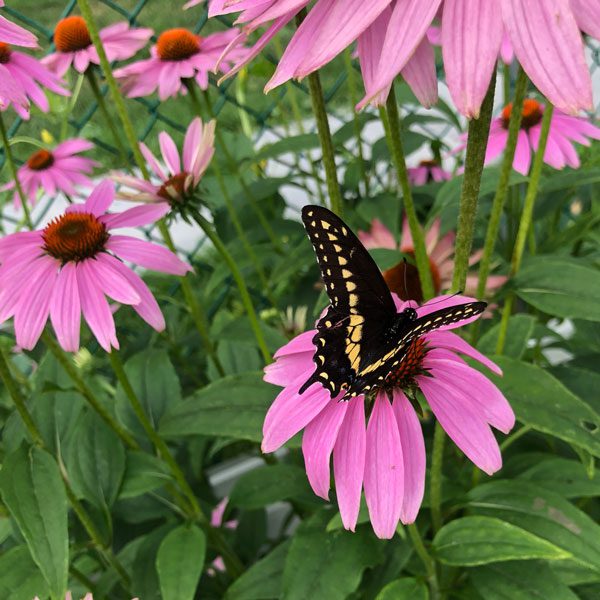
Echinacea purpurea
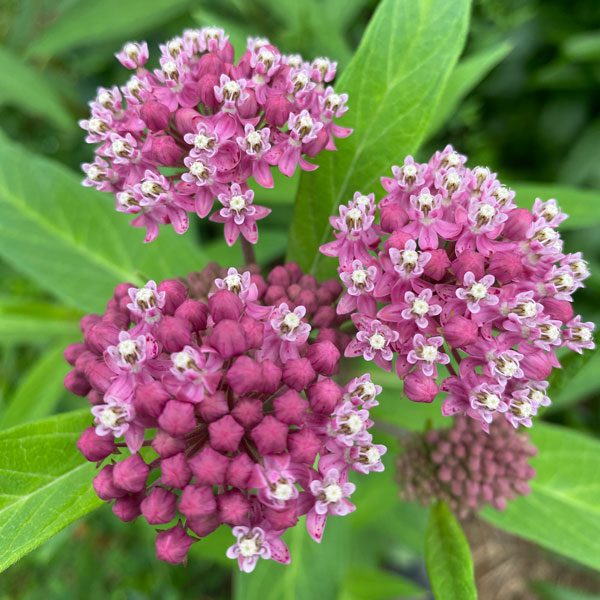
Asclepias incarnata
If you are looking for a bountiful harvest of fresh fruits and vegetables try adding a few native, food-producing perennials to your garden this season.
Of course, BUFCO carries all sorts of vegetable, fruit, edible flower seedlings, and much more. Order on line or come to our spring Saturday Markets for tons of information and inspiration!
Leave a Reply